
Welcome to Spring! And our monthly speaker meeting (generally the fourth Wednesday of the month), on Zoom from your home.
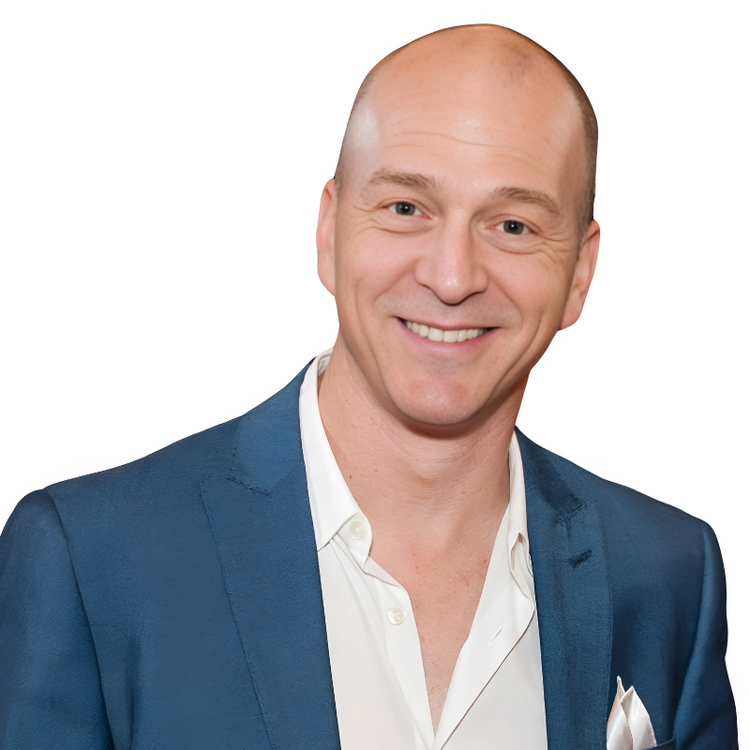 Featured Speaker Scarth Locke, from Rebuilding Together East Bay Network.
Scarth is Director of the Safe at Home Program and the Social Determinants of Health program.
He will share how low-income seniors and disabled homeowners can benefit from city funding to help them make their homes safer and more accessible FOR FREE.
And the latest on the City of Berkleey and Flock cameras.
Other updates on our housing and healthcare coalition Actions.
Plus we had some updates on campaigns and our partners.
1:30 PM
- Greetings: Welcome New Members and other Introductions
- Suggested Meeting Guidelines
BOARD AND MEMBER REPORTS
Co-Convenors Carol Crooks & Betsy Morris
Automated Summary, may contain errors:
East Bay Gray Panthers Meeting
Affordable Housing and Community Updates
Save at Home Program Introduction
Rebuilding Together Program Overview
Service Prioritization and Eligibility Process
Home Safety and Emergency Preparedness
Flock Safety Surveillance Expansion Concerns
Berkeley Surveillance Technology Contract Discussion
Flock Surveillance Contract Discussion
Community Surveillance Contract Opposition Meeting
Transcript
WEBVTT
we're okay, we're formally in our go time at 1:30, and um… I'm Betsy Morris. I'm co-convener of the East Bay Grey Panthers. Hey, let's start fresh. Let's record it from the beginning. Start new, but I still don't have the right video up. Okay. Okay.
Hi, I'm Betsy Morris, co-convener of East Bay Gray Panthers, and this is my co-convener.
Hello.
Carol, do you want to say hello? Wave? There we go. And we have a special. We have some special guests, people we don't always see in our regulars today. Our special speaker is Scarth Locke from Rebuilding Together.
Once upon a time known as… Christmas in April, but it's now a national outfit.
Has anybody here ever worked with when it was Christmas in April, or rebuilding together? Yeah, Jackie.
I was a volunteer.
I don't see others. So they have several exciting programs, but one in particular that Scarth is going to talk about.
In a few minutes. So, um. My co-convener, Carol will occasionally tap in and wrangle.
When I get a little too wild with the tech here, just look to her. She'll be tracking time. And actually, Carol, you usually start with our.
Oh. I have to find it.
rules of the road, our agreements. and she I see now.
So are we'll have a few announcements. Before our speaker starts, although if we get to 1:45, that's his golden time. We have time for discussion and Q&A, which I'm very much looking forward to, and we'll briefly also follow up with.
events that we're sponsoring or part of as part of affordable housing month here in the East Bay, Contra Costa and and Alameda counties.
Then after our speaker. Dives deep into rebuilding together and the Safe at Home program.
I'll make a report on the tenant convention. and the die-in that we're planning the May 21st will also have an update on the billionaires tax, which is a proposed init ballot initiative.
Hopefully, Robert might be able to update us on Cara, the California Alliance of Retired Americans.
And we'll. We'll also have a guest speaker after 2:30, George Lipman, who is come to talk to us about the flock security surveillance drones and cameras.
that, uh… that have a history of working with ice that are being introduced. They'll be voted on in Oakland and in Berkeley. And I'm sorry, the Board of Supervisors.
of the count of Alameda County. So we have a lot of things percolating. This is legislative season, and we're involved in some very good activities, both in Berkeley and the county and statewide. So we want to catch you up on that.
And Hallie Hammer. I hope that you'll be able to report out on Kara.
uh, later in our program today.
Kara. Well, I wasn't at the last I wasn't at the last Kara meeting because I had a meeting, another meeting I had to be at. For some reason, I'm not getting any video feed, but I'm here.
Okay.
Hmm. Maybe.
It's showing that I can't use my camera for no apparent reason. There's something with your computer that's intercepting it.
Yeah, I don't know, I never had that problem before.
or something with your computer that's intercepting it.
Well, anyway, I'm here. Thank you for showing up.
Thank you for showing up. I hear an echo. Does anyone else? Yeah, Carol.
Yes. When both you and Reigns have your are off mute.
Okay, I'm just going to speak. I'll turn this off.
There's an echo.
I have the group agreements ready.
So. Carol, do you want to read the agreements that we ask our visitors and members to abide by?
First is one mic accessibility, step forward, step back.
Now I think you haven't turned it off.
What is she saying?
Keep your marks under 3 minutes. Respect each other, respect ourselves.
support our co-conveners and our… Timekeeper.
I'll hand it back to Betsy.
And Betsy's preoccupied.
I thought I heard her say she couldn't hear you, Kara.
Oh.
I can hear Carol now. I had to switch off of my headphones and just go full normal.
Oh, okay.
So I have any have each of you heard about the proposed the billionaire ballot propetition tax the billionaire.
ballot initiative that has been percolating about. And the good news is that.
the what is it? Seiu healthcare workers, United Healthcare workers has received more, has obtained more than enough votes.
And they're now being counted and the signatures verified so that it will be on the agenda. And that on the ballot. Sorry.
in in November. We're pretty supportive of that concept because of all the cuts that are being made in Medi-Cal.
So this tax would assist in a lot of areas where our current budget deficit needs to fill in. And I wanted to play this.
video. It's a very short one, but it'll be a little teaser to to an event that we're participating in planning coming up May 21st.
and I still haven't gotten the video properly set up, so I'm a little frustrated. And so I'm gonna just say.
I'm going to just start introducing our guest speaker while I figure out the video mechanics.
So. We have a good crowd here. Thank you for coming. Our guest today. I'll say it again, is is scarf Locke, and I'm missing him. I'm going to put you on.
speaker mode or pin. Can you pin him? Just pin him. You don't have to have him in the middle of the screen.
But you can at least find him. So Scarth is the.
Social indicators of health program director for rebuilding together.
They serve both Alameda and Contra Costa counties. I found out through him conversation that he's trained as an occupational therapist. So, uh, that is an incredibly useful skill for any of us who see a doctor.
and are getting a little older as well, or sports injuries. So you might say a few words about yourself, Scarth, but he's also program director for safe at home, which is a very important free resource for seniors.
in our county to have particularly the ones that own homes, but you know the cost of repairs is so high. And they come in rebuilding together with a free set of services, which he'll talk about.
and then we can have a conversation about some of the issues that have come up.
and questions we have for scarf. So, Scarth, please feel free to introduce yourself personally a little bit, and then rebuilding together, and then we can get into the weeds with you about the… Safe at Home program in particular.
Well, thanks for having me, Bessie. Let me make sure I'm being heard.
You hear me all right? All right, good. Um… Uh, yes, as Betsy said, I am an occupational therapist, and.
Uh, before I was working with Rebuilding Together, I… was in home health for about 10 years, uh, so I was one of those clinicians who would come to your home once you've been discharged to.
from a hospital or a skilled nursing facility, or… A few other possibilities. Or sometimes people just get referred to home health even if they don't have a hospital visit.
So I was I have been inside of thousands of homes up and down from… Castro Valley to Oakley to Hercules.
Um, sort of all all manner of homes in that area. This area, I should say.
And this and so rebuilding together started working with Samuel Merritt. I'm a adjunct professor at Samuel Merritt, and so I was supervising some students who were doing field work.
through Rebuilding Together. And then eventually came on board full-time with Rebuilding Together to run this program. So.
Christmas in April was the initial version of of of rebuilding together. They would do kind of a barn raising style events. I guess many of you are probably familiar with this.
They would get a bunch of people together, and sometimes get, you know, a bunch of corporate sponsors, and do kind of one or a group of houses in a neighborhood and do major renovations to those houses.
And they would, you know, do a few… like, each chapter would do a few of those a year, and then as it evolved.
it became less about those major events and more about having smaller teams go out to homes to do.
work, uh, like putting in grab bars, sort of accessibility modifications, grab bars, ramps, lighting, uh, sort of minor repairs.
And so this rebuilding together has a program like that. That's called the Save at Home Program. And that's that takes up the majority of my time is running that program. So… I, uh, I perform the home… so the ones we've done an initial intake where we establish that the person is eligible for the services.
I come and do a whole assessment that takes into account sort of the home and what's needed, but then also the the person who's in the home.
and what their habits are, what their routines are, what their needs are, what their sort of future might look like, and I take a kind of a… not a… not a super detailed, but some level of kind of clinical assessment of diagnoses and sort of what… what kind of health issues people might be dealing with to think about their current and potential future challenges.
Uh, so then I… I also work with the home repair technicians, the handymen who will come and do the work after I've done my assessment.
So there are a few other programs that we're doing as.
Who was it who was talking earlier about getting a water heater? I can't remember now.
Jackie was saying we we have another program that we're running in the city of Berkeley as kind of a pilot program to do energy efficiency upgrades. That program is called just transition.
Um, so we're doing, yeah, more efficient water heaters, many split heat pumps, replacing.
appliances as well. So we kind of have a… we have a variety. There's even more that I could talk about as far as our various programs, but the the main program that provides.
home accessibility modifications is just transition. And I did prepare a little slideshow, which I think I can just share right away. So I'm thinking to do that.
Let's see here… Yeah, yeah, the power.
Please do. You have the power.
But where is it? Let's see here. Oh, that's why desktop.
There we go, that should be it. Let's see.
Oh, now it's giving me a… Oh, strange. I'm screen sharing. Well, okay, so it look… you should be seeing a big green screen that says supporting aging in place through the Safe at Home program.
If anyone can't, if it's not large enough and you can't enlarge your screen, let Garth know.
Oh, I…
And just remember some some of our members, our visitors are, you know, limited visions, so.
you want to say what's what's on it.
I'll be… yeah, these are. I will. There are there are not a whole lot of words on these on these slides.
Let's see if I can. I might be able to… tweak the share to make it a little larger if you need it.
I'll go forward for now. So this is just sort of.
basic introductory page. There's me scarth Locke. Not long ago, within the last whatever it is, like, 3 years? Uh, finished my doctorate. Oh my, what is that? Come on now.
Sorry, I'm trying to advance the slide and I'm having difficulty.
Oh, come on now. Why is it not doing it?
Sorry, give me just… and occupational therapy.
I think we are seeing this slide advance, even if you aren't.
Um, is a post-professional occupational therapy doctorate.
Oh, no.
I have… I'm sorry. I still see the green slide with the title, the title slide.
But I saw you go through a bunch of different things.
Yeah, there was… yeah, as I was clicking on it, boy, this is a… this is a new… I'm gonna try something different.
I'm going to exit the presenting mode. Forgive me for this little. This may be a little smaller, but I think it's going to be more. There we go, more effective.
Uh, so I'm going to kind of start from the beginning. This will probably be very familiar to a lot of you.
So we are this program looks to address the gap between.
the needs and how to… how to get those needs met. So a lot of homeowners, particularly older, older homeowners.
No perfectly well what they need in their home.
Uh, but there is such an incredible variety of different kinds of solutions, different kinds of products, different kinds of vendors available that it can be quite intimidating to try to figure out.
who you're gonna go with, what product you're gonna go with to to address your issues.
Another limitation are physical limitations. If you're thinking to do it yourself.
Uh, that just can be a challenge if you can't get under your sink or up a ladder, or that sort of thing, because there are plenty of cheap solutions that require more, you know, physical involvement.
There's a lot of… Another… another limitation can be.
the quick and cheaper solutions that can be provided through durable medical equipment. So when you're… when you have a health condition, there's a lot of free stuff that you can get through insurance, you know.
and depending on your level of insurance, you know, you can get even grab bars, ramps, wheelchairs, commodes, these kinds of things. But oftentimes those.
simple solutions don't really address the deeper issues of how you get in and out of your home, for example.
And there are just basic, you know, if you're on a fixed income, there are basic issues with having to make a decision about what's your priority here, you know? If you need to choose between home modifications and other vital necessities.
Sometimes the vital necessities come first, and they keep coming first.
Uh, and then, you know, repairs get delayed, upgrades get delayed, until they become worse, and then you have an even more expensive problem to deal with.
For those of us who are fortunate enough to have family members around, or you know they they may be physically present or nearby, but not always available or capable of assisting with complex problems.
Um… And finally… there… and this is something that we encounter, sort of, with every… almost with every new client that we see is.
Older adults. feel rightly, you know, quite vulnerable when they're working with new agencies, allowing somebody to access your personal information.
get inside of your home can feel quite quite dangerous, and a lot of people will avoid getting important modifications.
Because they're just afraid of being scammed, right? I mean, who's who who doesn't have.
you know, two dozen calls a day from various places that you have no idea what they're… You know, trying to get from you, right?
Um, whoopsie, a little too far. So what we offer at rebuilding together is a service for low income homeowners in Alameda and Contra Costa counties. I'll go into more detail about what low income means in an upcoming slide.
This program is, oh, it looks like there's a hand up. I think. Oh, before I answer the question from Dirk.
I… I'm actually… I've forgotten how much time I have.
Betsy, can you? Oh, could you unmute yourself, Betsy?
That you have, you have… sometime we can devote plenty of time to this. We have someone coming on between 215 and 2 30.
Okay. Oh, okay. Yeah, this that's plenty of time.
Let me check in.
So you have plenty of time to present, but I encourage you to stop every now and then. If people need something, please in the chat, you can address me.
Hmm.
As the person managing right now the Zoom. But if you have a question for Scarth, then we'll get to those later. Just I'm so.
Okay.
Just be patient, y'all. And if you would like to address Dirk, you please do. He's.
Sure.
you may need to share what's on your screen more carefully. So yeah, Dirk.
a weapon.
What can I have one. Experts are required electricians and plumbers of this.
How do you pay for them.
How do we pay for for the people that do the work for us?
Oh, like Christians and plumbers, really skilled craftsmen.
Well. Yeah.
Dirk, these are free services. But and if so, if you have questions about the program, then please either put them in chat or wait till he's ready to take questions.
Okay. I can. I can since. Yes, exactly. I I will re, yeah, reiterate these services are totally free.
So the way that… basically, the way that we pay for them is through a number of different sources. We have a lot of layered funding, um, through federal and city and county grants.
Um, as well as a bunch of other stuff. It would it would make your eyes roll in the back of your head if I had to explain all of that stuff.
So the the significance of this program being administered by an OT.
Well, as far as I know, I may be the only occupational therapist who is running a Rebuilding together program in the whole country at this point.
Um, and the great advantage is that I have a really sort of deep understanding.
of how behavior patterns, how diagnoses, how the aging process can affect.
function, and I have just a lot of skill in terms of just interviewing and assessing people, so I can get very quickly.
to a lot of, kind of, information that wouldn't necessarily be obvious. And of course, just my understanding, that sort of bleeds into the whole program, so we have a very whole-person approach to this program. It's not just about.
putting some nails in your house. As I mentioned earlier, it's completely free. We don't take any money for our services.
We have a quite an extensive list of things that we can do. And again, it would. It would be confusing to try to give you the like every single thing. But generally speaking, we do modify accessibility modifications, and.
mostly that's stuff like grab bars and handrails, ramps. We do a lot of lighting and home security. We'll do minor repairs to electrical and plumbing. Nothing too major, because our funding doesn't allow us to get too deep.
Um, but we we try to kind of make our our.
our money go as far as we can, and we do that by using not just professional contractors and folks that are on staff, but we also use volunteers, so it's kind of a mix. We have some teams of volunteers who go do a lot of work for us for free.
and that sort of gives us more leverage to to to make the dollars go further.
Um, and we do this on a timeline that is pretty flexible.
Every once in a while we can get somebody fixed up within a matter of a week. Often it takes a few months. This is definitely not an emergency service.
Um, it does take a little bit longer than that. But yeah, I'd say, you know, like 4 months at the outside.
So I'm going to move on, give you a few pictures. So for those of you who can't see this well, I'm afraid I can just sort of give you a description. This is this is a before and after two before and after a before picture and an after picture of.
a closet in a home that I recently went to. So on the left, you see a closet space that's full of stuff and a bunch of red lines over it, and those red lines are what I sort of envisioned as a shelf.
Scenario, kind of in the closet to help this person organize their closet.
And then once I was… so then we sent in Ed Leahy, one of our volunteers, and Ed.
Uh, brought in a bunch of equipment and created an organized closet space. This closet space was.
preventing his access to the bathroom. So by clearing out this closet space, this particular client had some pretty serious spinal issues that.
Gave him… he was able to walk, but with great difficulty, so he was at quite a risk of falling as he was trying to move around his apartment, so this really reduced his risk of falling.
And additionally, let's see, oh, I'm going to skip one slide because… Actually, two slides, because this picture, these two pictures were his bathroom, so he was getting in and out of his bathroom, but his toilet had been, um, messed up by a…
contractor that he paid personally for, the toilet wasn't working at all. He had he had mounted a… a toilet like a booster seat over the toilet. And then duct taped plastic bags into the toilet, and he was using those plastic bags because he couldn't flush the toilet.
So this is a pretty horrific example. These are normally people have at least a functioning toilet, but he had been working this way for many months, like half a year, and he had been using his neighbor's bathroom. So we came in, and we put in a new toilet.
which I probably don't need to explain to you the benefit of having a functioning toilet. It's pretty it's pretty clear. Another common thing that we do.
On this slide is you see on the left, there's a bathtub with a bath here, and on the right, there is a kind of a door unit that's been placed on the bathtub. That is what's called a tub cut, and.
Depending on the home and the finances available. People often start to have difficulty when they get arthritis in the knees and so forth.
getting in and out of their tubs. And so, you know, the perfect version is take out the tub and put in a shower, but you can't always do that with the money, so there's a version… there's a thing called a tub cut, where you remove a portion of the tub that then creates a door or a gap that you can step through really easily, and it makes bathing much easier.
This particular tub was for a client with Ms. And so her husband was helping her in the tub, and him helping her over the tub where she couldn't lift her own legs. So he had to kind of hold her up, and then also help her lift her leg up over the tub. It was very difficult and challenging for him.
And because of that, much less safe. So we created this situation that made it much easier for him.
and much safer for the both of them. And finally, we have a ramp. This is a very beautiful one. This is, again, one of our volunteers did this one.
On the left side you see a door. It's about 2 feet off the ground.
Uh, and this just kind of plywood. board that just stretched about 4 or 5 feet from the door, which was not nearly enough, so it created a very steep ramp. It was just what they could afford.
Um, and it was very frightening for her to go up and down that. So then we brought in our volunteers and created a much longer board that was about two and a half times longer. So it gave a safer, more gradual entrance into the home, and made it easier and safer for her to leave the home so that she could leave.
prior to this, every time she left the home, she had to have somebody with her just to make sure she didn't fall. Now she can walk in and out of the home without any assistance.
That's just a few examples of, like. relatively low-cost items that have a really great impact.
So those are the… those are a few before and after pictures.
So now I'm going to talk a little bit about our eligibility. So this diagram here, this is for Contra Costa County, but Alameda County, Contra Costa County, pretty similar as far as income limits.
Uh, for our our program. You can be eligible for the program if you make 80% or less of the average median income.
So that means if you're a single person in a home and you and you have income in a year of less than $87,000.
you'd qualify for the program. If there are more than one person in the home, if there's two people, it's less than 100,000 and it moves on up to, you know, with six people in the home, there are 145,000 is the is the limit beyond which we cannot serve you.
At this point, but… For people on fixed incomes that generally.
uh, doesn't seem to be too much of a barrier. Looks like there are two questions. Dirk, I think maybe your hand was left up from before. Carol, did you have a question?
You're unmuted, I can hear you.
Uh, yes, I do. Am I unmuted? Thank you very much. First, I wanted to know how you prioritize.
those persons that you take on, because I know that you have a lot of requests coming in. Second, I was under the impression that you also did renters. If the landlord agrees. And third, I'm the chair of the city of Berkeley Homeless Services Panel of Experts, although I'm speaking in my.
individual capacity, and we did site visits. to some of our motel conversions. And there was a particular motel conversion where one and these are run by the nonprofits, the city contracts out with the nonprofits.
But then nonprofits that would be responsible. So at one of our motel conversions, one AD, the only ADA room we saw, there were two there.
was not accessible. It was only partially accessible. The bathroom was not accessible. And is that something that.
even though it's a nonprofit that you would be willing to work with them.
Oh, so I'll start with your 1st question. How do we prioritize? For the most part? It's 1st come first serve.
Um, and we reserve the kind of privilege to prioritize.
more urgent needs. I will say also. uh, what affects our ability is the location of an applicant. So.
Some cities we have contracts with, and we can provide services and get refunded, not refunded, but reimbursed for our work. Other cities we don't.
So we, for example, the city of Oakland right now, we do not have a contract with the city of Oakland.
Um, but we have cities with contracts with cities around there, so we…
We kind of… What's the expression? Borrow from computer to pay Paul, I think. So we kind of make it work. We stretch our resources so that.
the money that we get from one place can sometimes help to pay for projects in another place. So the shortest answer is first come first serve.
with a… with a little caveat of, you know, if there's urgency or.
better or worse financial, you know, relationships with the area that the resident is in, we can get to some things quicker and some things slower.
Your second question about renters at this point, we do not serve renters. We've been working. I've been working really hard to try to change that.
Um, working with renters means that. It would be… basically be Medi-Cal who would be paying for the.
Um, who would be reimbursing us for the services?
and there's a program called CalAIM. It's throughout California, and it provides a number of… there's funding for a number of different kinds of.
benefits for Medi-Cal members. Rent deposits, food security and mental health benefits, homeless benefits.
And one of them is a lifetime $7,500. chunk that you can spend on accessibility modifications.
If you're a renter. Uh, the challenge is that there are only a very few.
agencies that have gotten the contract with the various major players, and they're not writing anymore right now. So we've kind of been knocking on a lot of doors. I'm also talking to PACE, the Pace Network, to try to find out if we can serve their folks.
and actually we're talking to Hayward right now like we just began a conversation about trying to do work.
for renters whose landlord is a nonprofit. That's actually through glad tidings. We're kind of.
the subject has just been broached, so we're basically we really want to serve renters. We don't have a lot of means to do that right now.
Uh, and…
That is very informative. It's very informative. I would certainly like to know so I can.
distribute that information. If there's anything that we can do.
from the community and also when there is something that's that would come through CalAI.
So when we could add it to the agenda today or if you follow up on what could be done. Carol's very well connected with.
commissions and. and departments, but I think we can talk about that follow up. Absolutely.
But let's get.
Oh, okay. Yeah, those are, you know… We're nearing the close of my presentation, so, uh, Betsy, there's… I'm a yeah, okay.
So anyway, going back to this slide, you can see that there's… there are.
Well, can you respond to the third question, please?
Oh, I'm sorry. Wait, uh, Ken, yeah, so the answer is… We don't have a history right now of providing accessibility modifications for other nonprofits who might be effectively acting as a landlord.
But we're we're starting our first conversation right now with the city of Hayward.
we're, you know, we're absolutely all in trying to figure this out, so if there's a way to do that sort of thing with other nonprofits to the city of Berkeley or elsewhere, we're very interested. It's been a it's been really tough trying to figure out how to.
get with get to that funding stream. And we we haven't had a lot of luck yet, to be honest.
So should I advise the director of the nonprofit? In this case, it is.
Yeah, thank you. Oh, okay, thank you.
Carol, I'm sorry, Carol, there's other hands up and let's get back to this if you don't mind, just make a note of your questions or put them in chat.
Okay.
Thank you.
Thank you, Carol.
And George, if Scarth, are you willing to take one more quick question for clarification?
Or do you want to finish? Okay.
Uh… Yes, you'll see my final slide is more of a wrap up. So this might be a good time to take his question.
It's on the current slide of limits. Is there a limit on assets?
No, it's all about income. Yeah.
Really? Wow.
Yeah, we're only… we're only tracking income. We… we need, um, proof of ownership.
Uh, we need to make sure that the person whose benefit we are working in is on the title of the home.
And we need to see tax returns kind of everything like all pages, all attachments and some bank statements. But we're yeah, we're not looking at assets. We're looking at income.
Which can… yeah, exactly, that can make a real difference.
Thank you. It does, in my case, for sure. Thank you.
Yeah, yeah, because, I mean, you know, if you're on a fixed income, then, you know, those.
the assets you're holding for a rainy day, and you want… don't want… you don't want to leave those alone, right?
Exactly.
So, uh… This next slide. Okay, this is just kind of a general summary of some of the benefits, and this is the way we look at it. There's some things that are obvious and some things that might not be so obvious. You know, the first one on the left here, reducing fall risks, that's pretty plain, I think.
improving comfort in the home. Again, you know, the comfort in the home.
Has a lot of kind of secondary benefits, right? If you're if the temperature is managed well, if your water heater is working, if you're, you know, these things create a place that you can be more engaged in your life.
Also, by creating a situation where you can stay in your home longer, we're helping people to preserve intergenerational wealth, and this is definitely… this is something that we… it's it's a very it's not just a background part like this is a really part of our mission is to help.
people stay in their homes and keep those families in their homes.
this kind of stuff facilitates meaningful activity. So if you know, if you're.
dryer is not working, and you can't dry your clothes, it changes the whole shape of your life.
Um, it reduces caregiver burden. Um, and now sometimes that's pretty small, like the changes can be small and other times, like the example I gave of this ramp, it can be quite big. This woman doesn't have to call somebody to escort her out of her home anymore.
which also kind of leads to the final thing of fostering social connection. So when people are more mobile in their homes and more able to get out.
Uh, the difference between being able to walk safely around a home and not.
really can change. Uh, your whole life. You know, as an OT, I saw this where when I'm working with people who, when I find them, they are more or less chair bound. And when I can.
advance to something where they're not chair-bound. It changes everything. People are more willing to have guests in their home.
as well as to get out. There's more, but that's the general idea. So… if you or somebody that you think you know may be interested.
We have, uh, an intake specialist, our community lead, his name is Donnell Jones. And he.
is the first person that you would talk to to get all of your eligibility information over to us?
Uh, you can also send an email to this web… this is also a website link. Now, I have included this document as a PDF in the chat.
So if you want to download that, you could have access to all this stuff.
We have an application. We generally ask that you wait for Donnell. The application has a lot of information that it asks for.
And normally when people fill out the application themselves, we end up having to go back over it and help them.
fill out some other stuff, so… Normally, the first most important step is to reach out to Donnell.
But this is my number. You can always reach out to me and ask any kind of questions you want about the about the program. This this is a QR code for those who are super savvy. You can.
Point your phone at that, and it will take you straight to the page.
Um, and then finally, I have. Oh, sorry. Yeah.
Could you just… Could you say your phone number and the website for and because not everybody's chat is always.
Oh, sure. Sure.
Totally good, or just give the best way to reach you.
Sure. My. Yeah, um, phone number is great.
or Donell.
Our phone number is 510… 644.
8, 9, 7, 9. My extension is 103.
And Arnell's extension is 105. My email address… All right. Wait for it. This is.
Growing up with a name like Scarth. I've got tools. So anyway, it's S as in Sam, C, A, R.
T as in Tom H. and then the letters SMU that stands for Samuel Merritt University.
Then at RTEBN, rebuilding Together East Bay Network. dot org.
I'd be happy to repeat if anybody was trying to write down, and I went too fast.
That seems like a no. Uh, okay, so then I will move on to my final page, which is more of just kind of a reference.
This is a 2 page home safety checklist. And it can be. There are a lot of home safety checklists out there. This one is from the National Fall Prevention Society, I believe.
And it's a way it's this is there are 2 pages here, and it has a bunch of questions that just help you to focus your attention on what kinds of things you might need in your home.
I'm not going to read the whole thing, but oh, sorry, somebody.
Doc. Your font is too small. I can't see it, the font.
Yeah, let's see if I can make that any bigger.
Thank you so much. Thank you.
Let's see. Oh, there we go. Hopefully that's a little better. Are you seeing that a little better? Let's see if I'm seeing it magnify. It looks like it is magnifying. Yeah.
Um, and as I mentioned, this… this I did include this in the chat. You can download the PDF of this whole thing, and you can read it at your convenience. Um… So, you know, it gives a bunch of… this is… these are good questions to ask yourself.
for emergency preparedness, for example, the third one on this list, are there? Are there emergency phone numbers?
and the person's home address near the telephone, so if there's an emergency and somebody has to call 911, they have the important information nearby.
Um, you know, is there clutter? is mail piling up? Is your medicine clearly labeled?
Um… Uh, in places where there are tripping hazards, like steps, do you have non-slip, like, anti-slip strips on the steps?
Are there loose rugs? Are there loose extension cords?
uh, are your carbon monoxide and smoke alarms recently installed and checked?
Where do you have handrails? Where do you not have handrails?
Going down this list. I'm not going to hit every one of these, but just to give you a just sort of a general idea here.
our outdoor steps sturdy and textured to prevent falls. And then in bathrooms, there's, you know, you always want to think about whether you have grab bars near toilets or in your shower.
Setting your water heater to a lower temperature can not only can it help you save on your utilities, but it can help you avoid scalding yourself.
Um, having a nightlight, like a motion-sensitive light that can… that can light up so that you're not walking in the dark when you go to the bathroom.
you know, looking at safety knobs on an automatic shut off switches on stoves.
lighting and plumbing is another issue that I frequently deal with in kitchens. You want to look at locks on the outside and also sort of is your lighting on the outside sufficient so that you can see or somebody, you know, so that you can feel secure in your home.
are areas that feel vulnerable, do they have lights that come on when somebody approaches?
you know, trimming bushes and foliage away from walkways.
Um, so there are a number of things, and this is not a, you know, there's almost no such thing as a comprehensive list. Every home is different. But this is this is a nice starting point. If you're thinking about kind of future proofing your home.
So yeah, if I'm guessing that at least some of you are would be able to get the get the.
PDF that I put in the chat and download it, and that will give you access to this list.
So that's the end of my presentation. Um, I think there were a few questions and some follow-ups that didn't get asked.
For those of you who still have remaining questions like to pop up and…
I just want to ask you, too. You do not serve renters.
Sure. That's correct. Not right now.
Yeah, I think there was a little misunderstanding. And to what geographical areas do you serve?
I don't know that that was clear to. Okay, so we got a good range.
Uh, Alameda and Contra Costa counties.
Yeah. That's right. We have, yeah.
of where people are living. Yeah. So please. Yeah, go on.
But not Oakland specifically?
Well, yeah, so… Um, we are doing some work in Oakland. Alameda. Well, it's hard to explain this without getting just getting in the weeds.
We are… on the cusp of writing a contract with the whole County of Alameda to do work. Right now, in Alameda, our… we have a contract with the City of Alameda, with the City of.
A word. And then all the other cities in Alameda County, we.
Oh, except for Berkeley, we have a lot of relationships with Berkeley. So Berkeley is kind of its own special beast as far as the kind of work we do. We do a lot of work at Berkeley.
Uh oh we I can't say immediately yes to anywhere in Alameda County, but I can.
I would also never say no. It's a bit of a case-by-case basis, depending on the extent of the work and where where the person is.
Oh! 5.
I see Linda has her hand up. Linda, do you have a specific question? Or was that about the renters?
Hi, Linda. I know Linda.
Okay.
Melinda. Oh, she has her hand up, but I don't hear anything.
So… What would? Let's suppose someone's a renter, as many of our members are.
some hone homes. Some are renters. If one has an uninhabitable, even a rent controlled unit, because we know that our rent control system doesn't mean landlords are always making repairs. What is there something about getting this checklist?
into the hands of the rent board or to the city.
building inspector, what would you say? If people aren't eligible for what you're doing, how do we get the habitability guidelines, these ones, in front of the right people?
uh, you know.
or however you want to answer that question. How do we help renters get, you know, organized to make some difference?
Ooh, that… so I… I know a little about that, but more from my personal experience as a renter.
because I I my my building changed hands a few times, and there were some concern along the way that.
Yeah.
That… that I would fall into the hands of an unscrupulous landlord.
Um… I have some resources, but not immediately available for renter advocacy groups. This… this list.
These are not things that a landlord would be required to do necessarily, but there are lists of things that a landlord would be required to do.
I'd have to get back to you on that.
Well, let's plot and plan. I'm sure other people will be in touch with you too. I do see Jackie's.
Yeah.
Hand is up. Am I saying that right?
Jackie, you're on mute. Can you?
There we go.
There. As a senior geriatric social worker for many years, I volunteered and then at age 90, a car hit me.
I've needed a lot of help and they're working on replacing my.
1915 hot water heater. And they put, uh, found that my.
my home was not up to compliance, and they put a hood in. And I greatly appreciate the services and Danielle is a force to be reckoned with.
So thank you.
Yes. Yeah, so…
So that's an unsolicited recommendation and reference for rebuilding together. Thank you.
Yeah, yeah.
Okay.
Sorry I lost or misplaced my monthly Clipper pass yesterday. No, I'm not paying if you don't.
Okay. Carol.
We don't have any resources for Clipper passes.
Okay, because I tried to go on the 88 passed me.
I'm not sure that is…
Yes, me twice.
Cheryl? Yeah, let me mute her. uh… I'll mute her there.
and Dirk. Your hand is up.
And Maria Sol's hand is up. You know, we are going to have to wrap up. I could see this has gone even longer.
And that's good. That's an important topic. Maybe we can ask you to come back. But Dirk?
Sure.
For Maria, quick question.
If your president, what would you do to make a building together better by sizing your work for more money and more volunteers?
Or want to frame needs.
Uh, the… my immediate concerns are actually… hiring more contractors.
We have more work than than we have people to do it at this point. So we're… Really working hard on that. We have volunteers are always welcome, and I'm a good person to call to start that conversation.
I worked on three houses back when it was rebuilding, when it was Christmas in April, three houses.
Mm-hmm. There always are.
And it was… it was always needed. There were some interesting family dynamics at a couple places, but it was also great to be part of a team, you know, completely unskilled, but supervised.
by the proper people, and we replaced a toilet that had broken. We had for a long time.
and a stove, and, you know. you know, people who were house proud back when they had.
We're working and had a spouse who did repairs, but to get that house back to being something this one neighbor could feel good about. That was a beautiful feeling. I'll just say that. So do you have volunteer work crews or?
scheduled times when people can get oriented to do to help you out.
I'm sorry, I was reading Linda XYZ's comment. Could you repeat that question?
Oh. I said, do you have regular volunteer orientations?
You know, to for the unskilled labor when and if you need that.
Hmm… What we have is a volunteer coordinator who gives people kind of a one-by-one, like, when people come to us, they speak to Fidel.
Okay.
Ultimately, we channel everybody to Fidel, who kind of gives people an orientation and does a little bit of an interview to find out what skills and what availability they have, and where they'd like to work. And then once once you've got that database, then we when we have projects that come up that need.
Volunteers or are a good match for kind of a bigger group, then we start to reach out to volunteers. So it's very much a kind of a project-by-project thing.
Betsy, please let me speak, please.
Thank you. Well. Oh, I'm sorry, Maria. Yes, you had the you have the last word, and then we'll applaud.
applaud our scarf out, or he could stay. Yeah, Maria, please.
That's… that's… That's why I want to speak.
I so commend you, Scars, not just for your scholarship, but for your boots on the ground, for your heart, for your in-home direct experience, for your care, for your holistic awareness.
Not only of the insides of people, but the outside requirements and necessities.
It's just, I just want to hug and love you and thank you forever because as an elder now.
That's so missing. People aren't connecting with people. And then the common sense is missing. Obviously, if you don't want to fall, you need something to hold you up. This is so basic, and I so thank you for working so hard. I first had rebuilding Christmas in April in Santa Fe in '95, and then I've participated here.
I've been doing construction for over 60 years, and I've been installing grab bars into studs, not into nowhere, so the fact that you oversee your workers, so that maybe… things actually… work and the fact that you're attending this…
you know, Carol brought up facilities that are paid a fortune to be ADA compliant, that are not. You can't even get into a bathroom. It's like, thank you, thank you, I want to help, and I'll be in touch, and… I'm… I… I just love and thank you. Okay, bye.
It's an honor. Thank you.
Ditto, ditto. Scarth, before you go, can you stop sharing your screen so everyone can can see you?
Oh, of course! Silly. Yeah, yeah, yeah.
Um, and let's give… shoot some rockets, hearts, or… Uh, here, what can I do? I'm going to send rocket ships to you. And we'll cancel the spotlight. Actually, Reigns, can you do that?
Okay. All right. Well, thank you. And I see I see more newcomers. Miss Cecilia, Arlene, Pam.
really glad. Did our thank you. Did our guests, Larry and Adrian from.
good tidings. Did you get what you needed, or at least a starter kit?
I… I… I missed… did Larry ever show up? I didn't see if oh he did.
Yeah, there's someone named Larry here. I don't know.
Oh, it's probably… Larry Moody?
who I don't recognize, but welcome. He's muted. He might be driving.
Ah. Well…
So I do need to thank you. And then we have another guest speaker for a much shorter presentation.
If you'd like to stick around and learn more about the flock cameras or drones debate.
Please do. I want to see there's a message here from Pam White.
Thank you, I will.
And did you have any? I think we're ready to transition. But, Pam, did you get at least Scarth's the phone number or contact?
more information.
Yeah, I need… yes, I do need to get that again. That's some fantastic information, because I know a lot of people that… that are renters and that are homeowners like myself that were seniors, and we're having difficulties keeping up with these 100-year-old houses, and… all these new laws that they're making and carrying on, but, um, thank you very much. Really appreciate it.
Yeah. Oh, and I see… Yeah, go ahead, Scott.
My pleasure. I just…
Oh, perfect, perfect, perfect. Thank you. I see that in the chat. Thank you.
Mm-hmm.
All right. Well, let me just clarify. They don't do renters. They can do the property owner has to be.
on the title or the person being helped has to be on the title, and I know that is an incredible limitation.
Yeah.
You know, we're Berkeley in particular, Oakland, we have majority renters, so… We'll have to work on you to get that side of things, uh, opened up.
All right. Thank you so much. Thank you so much, Garth. And.
I'll take all the help I can get.
My pleasure.
Just a sneak preview. I haven't confirmed it yet, but Danielle Faulkner.
who was mentioned earlier, who helped Jackie, is, uh, we want to bring the big skills program into our.
next speaker meeting, but we definitely are hoping to have a little field trip.
in… in May, so I hope I can speak to where to make the final arrangements on having her come speak to us or having a field trip. So talk to you soon. That's for building adus.
Right? For people's backyards. a different program, more limited than I'm making it out to be. But scarth or are we good? Okay.
Yes, yes, good. We do that as well. Also somewhat limited, but.
Oh, you. Oh, absolutely. So let's just hang it there that we're trying to find.
We have an ADU program. Yeah.
Uh, the big skills program, which is a fabulous one to come and speak to us or be part of our affordable housing month tour of.
adus and co-ops. So all that to be announced later.
Can you… can you say what is big skills? You… you… you're saying the name, I don't know what it is.
What is big skills?
Betsy, I can do real fast if you want.
Thank you.
Yeah, yeah.
It's… Big Skills is a workforce development program, so we have high school students building ADUs.
Okay, thank you.
And then those adus get placed in a variety of places.
Okay.
and they built 15, and. Uh, but only one in Berkeley, as far as I know. I could be wrong about that. So we gotta work on that, too.
Okay, thank you.
Yeah. Thank you, Arlene. Okay, well, then.
Take a breath. We now I'm going to be turning this over to George Lipman, who lives here in Berkeley, and some of us.
have… are aware of his incredible work on the Peace and Justice Commission, and.
for furthering the, uh, was it measure? The one that created the police accountability board. But he asked to speak with us.
Sure.
Bach.
about. You know, I'm gonna turn it over to George. We flock, but not everyone knows what that is. And you know, our board has not voted to endorse one way or another, but we have always, we have supported, you know, limits on police violence and.
other measures. So this is something important that's come up in the last.
couple months that our city council and the Alameda County supervisors are considering, or have already voted on. So, George.
Just a reminder that our board is perfectly capable of endorsing any item that's not a person running for office.
Yes, yes, we can. We just haven't done this.
Okay.
So we could discuss it, you know, later. But, George, tell us.
Sure. So…
Sure, uh, but before I go too deep, um,
Oh, the latest bad news from the world. Oh, spotlight you. Yeah, let me do that.
Hooray for rebuilding together, and um…
I think that… there we go. Uh… okay. Um, and hi to my many friends in the meeting. It's good to see people.
Um, so, yes, I'm a member of the Peace and Justice Commission, and also a member of the Human Welfare and Community Action Commission. Both of them are there for
you, for the progressive movement, and for progressive change in Berkeley.
And their official city government commissions, and they need people to
Uh, to serve on them, particularly human welfare has a lot of openings.
Um, so…
Uh… I'll just begin, and I know I'm going to try to do a very expansive conversation, condensed into 5 minutes, so that'll be fun. Um, but we'll have maybe several minutes for com… for questions and answers after that.
Um, so, uh, flock is, as a company, Flock Safety, it's a multi-billion dollar corporation, um, that, uh, provides, um,
what I would call surveillance systems. They deny it's surveillance, but when you have
Currently, 52, um, automated license plate readers around, all around Berkeley,
Uh, capturing photos of every car
in the city, that's a lot of mass surveillance. Um, and um…
Uh, that's the start. Now,
what's being proposed now for…
2026 is a vast expansion of that system. Um, they'll be bringing in, um, or they plan to bring in
video cameras.
Um, fixed cameras.
Um, a program to, uh, uh, of drones, uh…
We call it unmanned aerial surveillance.
Um, another program to integrate
All of that technology and all of that data, surveillance data,
together, so that you can form a much larger picture, or…
fuller picture of all the residents of the city and people who travel here.
Um, and another one called Community Streams, which is to take all the, uh, like, the Ring and Nest cameras that people have in their homes, and, um, with the consent of the homeowner,
Um, utilize them as well. So, they're developing what they call a flock…
ecosystem of intelligence, and…
That is… is a pretty frightening to a lot of people.
Um, where we're at on this is that, um, it's been debated for months. Uh, it's coming back to the City Council on May 7th.
It's likely there will be a decision at that point whether to go into contracts with Flock.
Um, for all of that.
And, uh, it's a pretty, like, even split on the council. There are 4 members who are
Against it, there are five proponents, um, and the question is, can any of those be moved?
We'll see on May 7th. Um, that meeting is a special meeting, 5pm.
On Thursday, May 7th, it's in 2 weeks. Um…
your, uh…
as Berkeley residents, your input to the council members, particularly from your own district, but from any district,
or all districts is… and the mayor,
is really welcome. Um, now, just to explain the concerns that people have,
I think they break down into basically two.
One of them, uh, that's gotten a lot of publicity
is that ICE is a company that works closely… sorry, that Flock is a company that has passed information to ICE.
to the immigration authorities and to Department of Homeland Security, which ICE is part of.
And there's a number of ways that that… this kind of data
can get to them. Um, they say they don't work with ICE, they say they don't give information to ICE,
But the information finds its way there, and um… and there are a number of pathways
Uh, one is just that some other department will make a request, or a search, on the Berkeley's database, or any database, within Flock,
Um, they'll do a search for immigration, or ICE, or whatever, and they can pull back a lot of information, and then
If they're friendly with ice, they'll just give it to ice.
Um, on top of that, uh…
A judicial subpoena
from, um, will… cannot be, uh…
cannot be ignored. So,
Sometimes…
The answer that we'll get from the police department is, oh,
Um, they don't, uh, they don't give data to ICE.
Well, maybe they don't directly.
But this is a very, um…
what's a good word? Unstable relationship.
It's very insecure is the word.
Um, and uh…
And they'll… they'll have provisions in there that say, well…
Flock will not give information to ICE unless they're legally required to do so. Well, they're legally required by a legitimate subpoena, and under… under Trump,
That's more and more likely to happen, especially with the use of what's called FISA warrants.
Um, which is foreign intelligence surveillance Act, I think. Um, those are secret warrants.
So, that's kind of crazy, but it comes out of the Patriot Act, uh, after 9-11.
And, um, it's actually a felony to tell
The City of Berkeley that…
for Flock to tell the city of Berkeley.
that they've been subpoenaed, so it's pretty Orwellian, but that's where we're living in. The other thing I want to talk about, if I still have a minute or two…
Um,
Well,
close to the five you might be have gone it, but go ahead, wrap up and let us know any actions you're asking us to consider individually.
I just think that as a larger question also of surveillance,
And this is a, you know, a big debate that happens even among progressive people. Um, you know, we don't…
We don't like crime, we want to stop crime, but we have to ask the questions about,
Is the cure gonna be worse than the disease?
And, um, it feels like we are moving
very rapidly from a program or…
mindset of community policing,
away from using official, you know, live people, police officers, and towards relying on technology and robots and drones, and computer programs.
And, um, I think that's a really wrong-headed way to go, and I think that's another aspect.
of this. Is this really gonna stop crime? It's debatable.
Um, so leave it there, and I'll answer questions.
Dirk and Maria Soul. Dirk had his hand up first. Do you want to take those?
Go ahead.
Oh, what are the names of the five proponents of surveillance tape?
Okay, so the five advocates are, um…
Who are the 5 advocates, supporters?
Uh, Rashi Kesarwani…
Uh, um…
District 1, um, Shoshana O'Keefe, District 5.
District one.
Um… uh…
Uh, Mark Humbert, District 8.
Uh, Terry Taplin, District 2.
And then, um…
Brett Blackaby…
is a proponent, but he's considered the one that
Couldn't… could most likely… he would most want a posture himself
as a, uh, civil liberties proponent,
So, he's in District 6, so we'll see what happens with him.
What district is he?
They're gone.
But a lot of people are targeting him as somebody they should be, uh…
in meeting with him, and so forth.
Oh, shit.
Hi.
May I speak question? Yes. Hi, George, and thank you very much. George and I are both on the Human Welfare and Community Action Commission meeting together, and I so appreciate his work in the peace and Justice Commission. But I want to give a context to this.
Because George mentioned safety, the people that are wanting this are all dug in about safety, and it doesn't prevent… it sometimes helps.
People get caught, which is punitive, and it has a lot to do with the police accountability board, which has been cut in half and is barely managing to function, and hopefully it will, because it's pretty necessary. And the police department, again, which is part of the whole militarization.
More toys for the boys, and it's exceedingly scary. So, yes, there's people that advocate that some of these drones and surveillance might help with regard to fire or, you know, not sending.
People, they can send equipment, you know, and or track things down and assess situations, which is necessary if there is an emergency. However, again, tools in the wrong hands, as we see around the globe, are exceedingly.
I see in the chat. that, uh, George, you put in a link to BerkeleySpeaks.org. Is that your newsletter or something else you want to?
flag for us.
That is… that is a social justice newspaper for Berkeley. It's about 3 years old. Um, I co-edited it with Buna Chima.
So, we have, uh…
information on all different types of social issues in Berkeley, and we welcome
Submissions, we'll print anything, um, good that comes in.
And… and happy to look at stuff on aging, disabilities,
you know, housing, all that. And then I put a second link in specifically…
a resource guide for this topic for flock in Berkeley.
Um, we're hoping…
For people who are able to do so, to come to the meeting on the 7th,
Write your council member and your mayor, but please try to come if you can, or can share that information with other folks. We want to put on a really big showing.
Uh, but, you know, and whatever you think, please speak your mind.
Thank you, George. I I know we're going to probably want to discuss this. Can you just say.
I have… wait, Betsy, I'm sorry. George at the city council meeting yesterday.
They said that the reason why this decision was postponed was because there was going to be a public safety meeting prior.
And I cannot find when that meeting is, where Rashi and, you know, all the people that are advocating for this meet, that we all show up at. Do you know what the date is for that?
I… I don't think it was a public safety committee meeting that they're referring to. It was more of a community conversation.
Okay, okay.
No, alright, so I'm just asking you to check that out, because… never mind, we'll talk about it later. Thank you, thank you.
So I wanted to know, you know, a number of our members live in Oakland or other parts, mostly Oakland, but.
Alameda County, mostly. Can you say a little about the vote? Was there a vote yesterday at the county supervisors, or was it City Council of Oakland about this?
No.
Thank you. Do you have? Well, I'll let George answer. But Arlene tell you'll chime in.
It was the Board of Supervisors.
Uh… I think that the… there was a vote that…
Oh, it's…
in the… in the…
As I was there halfway through, but I heard that they took a vote in support of extending the flock contract.
So, I'm not sure what's May 12th, but I think that's a done deal.
Yeah.
That's through June.
Uh, yeah.
And they said… they said after that they would put it out to an RFP to see what comes next, but… so…
Thank you for that information. I didn't attend the meeting.
Yeah, I think that round of it has… has…
has finished, and also Oakland finished their process a little while back, and they overwhelmingly supported. The Board of Supervisors and Berkeley are very split, so, uh,
Um, there's… there's room for a lot more discussion.
In those two, um, venues.
Okay, go ahead.
I do have a question since I'm talking. I was wondering about, um… The use of AI in flock technology, AI seems to discriminate against certain colors. It can't see. And I wonder if that comes up in the conversation with this entire flock count.
contract, maybe given that the populations of people of the diaspora, the numbers are lower. Is it in the conversation, or is it not in the conversation?
Well, it's totally in the conversation with regard to, um…
Facial recognition. And, um…
Uh…
I would… I would say that Berkeley is against facial recognition software,
And that's one of the reasons that it's racially discriminatory, because it's just flawed.
and badly designed.
I don't know about AI in general.
Um, but so they say… they say, no, we don't… we're not going to use facial recognition, at least not at this time. So that's… that's a good thing, however…
Um, if you look at this knot about one piece of
technology, or one city's rules, but you look at the big picture of what's happening in the country with technology,
It's like that ecosystem that Flock talks about.
Um…
If you… if…
there's a lot of… of… of…
misrepresentation going on.
If you look at the tiniest little, you know, view of something,
Well, you know, we're only getting a license plate. How bad is that? You're in the public domain. You don't have reasonable expectation of privacy. All that.
But then you put that… okay, but then you put that together with all the other billions of data points from around the country,
And in that big mix, facial recognition is part of it. So we're helping to create this system that is going to be racially discriminatory, is going to provide, uh, you know, when Minneapolis
Happens in Berkeley, in Oakland?
Um, which is gonna happen.
They're gonna have all these tools to draw on.
And if we think, oh, well, this is just for the purpose… you know, we have good policies, we're only going to use this for…
Um, you know, helping find missing children or something. Please don't believe any of that.
Once you have the data, it can be used for anything. If you don't have the data,
They can't use it for nefarious purposes.
Which… that's a lot to chew on, but I want to mention that very soon we're going to be coming up against proposals for tear gas.
And pepper spray, and police dogs…
And police helicopters, and they put all that on hold so that we could get through this flock nonsense.
But that'll be the next thing, and I'm sure people will want to talk about that.
I put my hand up, but someone else may have already been there.
I'm not seeing who else put their hand up.
Maria's hand is up.
Well, Maria, you've already spoken. So if you don't mind.
as important as that is, I'm going to ask my question then. So.
I heard, I mean, there's a package of contracts that the city council.
is not going to do competitive bidding on which the auditor says, hey, why are we doing so? So it's called sole source contracting. That's not even my point. My question is.
drones that can get to a traffic accident very, you know, first thing, or a drone that responds.
to, uh, you know, somebody who's tripped and fallen on a public street, or someone who's.
as one of our members was a few years ago, a young member who was a small person.
kind of gender fluid, and he would… they were beaten up on Telegraph Avenue.
and would have appreciated a camera. And we know that some of the senior buildings have lacked basic security because their property management haven't fixed the front door locks for 4 months at a time. So can you? There's good reasons why some of these tools.
could be helpful. Do you see any way that.
Maybe at a later time, you know, when we're not so threatened by ICE, that some of these tools could be modified so they don't have a permanent memory. You know, can you speak a little about that?
Just because I don't want to assume, because I walk around feeling safe that everybody is or does feel safe.
The biggest crime areas up on campus. That's what I know. So can you say a few words about that? Like, is there a way this could be helpful to our sense of well-being?
Well, I'm not anti-technology.
And what? How should we articulate that?
Um, like, I was a big proponent of, of, um,
Police body cameras.
Um, and, and, and, uh, and…
Okay.
And the dashboard cameras. I think that protects people.
Protects people from the police, it protects police from false accusations. Um…
there's a lot… there's a lot of reasons for it. Um…
So, and I think that in our newspaper, there's a…
um, statements from the mayor and from
Uh, Councilmember Lunapara, they both say, we're not anti-technology.
But it has to be appropriate, and it has to be really mindful.
And, you know, um, there have to be…
Civil liberties and civil rights activists on the
On the panel, with the police, and not just the police saying, here's all the great things about it, and don't worry, there's not going to be any problems, there also have to be the other folks from the ACLU sitting next to them saying, well, what about this?
And here's a better way to do it.
Um, we're just, like, barreling ahead.
with something that is going to be a real problem. So…
Yeah.
This is a conversation that I think your group should have. Every group should have. I don't have all the answers.
Um, I don't… I think this is the wrong…
proposal at the… as you say, the wrong time.
Um…
But we have to start creating…
solutions to a lot of things in this city, like street safety. Like a lot of things. And that…
Respond to multiple…
Yeah.
needs multiple sections of the community. We're not good at doing that.
um… homelessness is another one.
Thank you. There's there's some chats to you thanking you and.
agreeing with you. So. I'm sure there would be a lot more if we were faster typers.
Good.
George, thank you so much. And the best way to reach you with that be through berkeley Speaks.org?
That's fine, yeah. At the bottom of every page, there's our address.
Yeah.
Sure, please do.
on that. Okay, so if people want to know more about actions or deadlines, you've announced 2 weeks may.
May 7th. Oh.
May 7th, uh, Thursday night… at 5 o'clock. But it's going to be going on all evening, and you can call in, dial in,
Uh, Berkspeak at gmail.com.
Okay.
You're welcome. Good to be here.
Thanks a lot. Me.
Wow. Thank you.
Thank you. I'm gonna download the chat here so I can savor it.
Great info.
Yeah, I encourage everyone to download chat who's able to. I'm doing it, and we'll.
We'll have it available. You could. I'm hoping maybe Carol could send the chat to people after we download the final thing, you know.
Can I ask George one last question? Are you working only specifically with Berkeley and not get having flock? Or are you working in the region in the bay?
Yeah, I'm working well in the county and the city.
County, that's… that was a meeting yesterday in the City of Berkeley.
Okay. Okay.
And we're in touch with people in other cities.
ACLU is regional, and it's a great resource.
Okay, thank you so much. Yeah.
Thank you.
Thank you, everyone. Thanks, George.
Well, so, uh… Was there a motion?
David sometimes likes to make them here, but we will pick this up.
at the next board meeting and if anyone has a voting member wants to.
to do what? What sort of motion are you fishing for?
I'm just gonna let it go. I thought you might want to make a motion of support.
respond to the admin.
for the the voting members here to convey to the board. But.
Not hearing one. We'll just… I'll just go on with ours.
It's. I think it's a little bit early for a vague motion at this point.
Is George still here? Right. That's what I feel like.
Okay, thank you, Dave. Then, then. he's he's shut off his idiot.
I mean, I mean, I am here. I'm still here.
I think there's a lot of supporters. What I'm saying, George. So we'll get back to you about.
I have no doubt there's a lot of supporters, but if Georgia… a motion of some sort from the general group here would be avail you, let me know right now.
Yes. It would be great to be able to use the name.
of Great Panthers, and…
Oh, do we have enough people here to give the name of PDGP?
Yes.
Then I… I hope we… What?
I thought we…
And when someone would speak.
Someone was speaking. Am I repeating? I'm lost. Optimistic, because… Sorry, I was going to make a motion to, um, support, um… in general, Georgia's efforts.
to restrict the ability. to stop the city of Berkeley from a contract that would enable them to hire flux, engage with flock services.
in order to provide facial recognition cameras of any sort to the City of Berkeley.
So, just to comment… just to comment on that, well, first of all, I'd prefer you don't use my name, but…
Is that it, George?
If you want, um…
Yeah, well…
George, you're not a voting member. So I'm going to ask you, may I rephrase that, David?
Well, I just want to find from Georgia if that's what he's looking for before we rephrase.
It… okay, but I would take out facial recognition.
Let's… that's not the… that's not what they're doing.
Oh.
I would… I would say, um, flock surveillance, um, technology.
But the other thing is, we…
Would you care to rephrase what emotion, Betsy?
I know we should do it if we're ready.
So you know what? I'm sorry. We are not ready. Clearly, because we. So how about this? David, if you and George.
I think we're ready. I'd like to make the motion.
I'd like to make the motion.
Let me go on with the agenda. I'm calling it as your co-convener.
Well, we have a majority here, you've just heard George's… George's presentation.
I hate to not strike while the iron is hot.
We will have them next week as well. Carol, you've got to intervene. We're going to have a knockdown.
And. Kelly.
I don't think there's any objection.
Hallie has her hand up.
I don't think there's any objection. Yeah. Hallie has her hand up. Yeah, um, I'm sorry, I don't have any video. Um, I just sent a letter to the city council, and it's… and I got an email from someone saying that the mayor is against the flock. Yeah. So I sent an email as a private citizen.
Yeah.
Saying that I was opposed to flock and please do not, you know, and I addressed it to the mayor and the city council. So if we can't get anything done today from the group, I strongly urge you all to send letters to the City Council.
Saying that you do not approve of flock.
Betsy, I would like to amend my… amend my motion.
I'm gonna say that I think Arlene and Carol are in agreement with you. Go ahead. Deliver a simple.
It's a… just make it a motion to endorse.
That's the work of Berkeley this issue, something simple like that.
Well, to endorse against. No, no, no, I think we need to… we need to actually oppose the hiring of flocking.
So what is your motion? Do you think?
My motion is to put EBJGP on record as opposing the contract with Flock to provide, uh… I'm sorry, George, surveillance services in general, is that good enough?
But they're already employed by the city. This is about expanding it even more.
This is about expanding it, to expand an e-contract with Flock.
Okay, is there a second? Is there a second?
to… with their… and their video surveillance systems. And I would like… I would like to title this title this motion, "What the Flock?
I second it.
Okay, thank you, Maria. Are there any comments in opposition to this motion?
in favor? Or can we proceed to a vote?
No, I was just raising my hand in favor. Oh, okay, then.
All right, Holly, you've raised your hand. Oh, okay, then, uh… Everyone put up.
Let's move to the vote.
It is a vote. We're going to the vote. So if you're able to put up.
Let's move to the boat. It is a vote. We're going to the vote. So, if you're able to put up.
your Zoom hand, please do. And if you're a voting member, which just means you're up to date on the dues, and we we know who who you are.
your Zoom hand, please do. And if you're a voting member, which just means you're up to date on the dues and we we know who who you are.
Uh, okay. 2, 3, 4, 5, 6, 7. I don't see… Rains, you're off camera.
Carol, are you supporting? Yes.
Okay, two, three, four, five, six, seven… are you supporting? A hand up.
And support my hand up.
Okay, Maria. Betsy, Arlene, Hallie, Robert, David.
Okay, Maria! Betsy, Arlene, Hallie, Robert, David.
Miss Cecilia, Betsy and Patrick Kehoe. Now, is that 10?
Miss Cecilia, Betsy, and Patrick Kehoe. Now, is that 10?
Adrian supports I Don Know How to raise my hand.
Adrian supports, I don't know how to raise my hand.
Adrian. you're expressing your support.
Adrian, you're expressing your support Adrian, that makes sense. We're getting an echo we're getting an echo.
Adrienne, that makes sense.
Now.
We're getting an echo, we're getting an echo.
I'm trying to ignore the echo until the vote is over.
I know that some of you are not voting, so with that, we have.
We have at least 10 votes. I'm sorry. I'm like losing track. Are there any votes in opposition? Please take your hands down.
I know that some of you are not voting, so with that, we… We have… We have at least 10 codes. I'm sorry I'm like losing track. Are there any are there any votes in opposition? Please take your hands down.
and we'll make this more formal. If there's any abstentions.
And we'll make this more formal. If there's any abstentions… So, I see… Take your hands out if you're not opposing.
So I see.
Take your hands down if you're not opposed.
and. Okay, I believe this proposition, this motion.
is approved, and we will also discuss it again at the board meeting. If there's any.
other conversation we need to have. But in the meantime, East Bay Gray Panthers is on the record as opposing expansion of the flock contract.
for enhanced surveillance. and data services.
And there was a statement from George that we can also speak in favor of the mayor's proposal.
Thank you, George.
Lunapara and Tragov, also.
mayor and council member Luna. Lunapara is Luna.
Yeah, and Traegov. All right. Thank you. We have. We have. We have a bunch.
So, should we… I'm sorry, should we be should we be endorsing that, George?
Oh, that's…
No, I I'm sorry. That's an aside. He just put that into.
I didn't include that. I didn't know about the mayor's…
into. Okay, thanks.
Let's take it up at the board.
All right, that was that was vigorous. Thank you, George. We now need to turn over to, uh.
updates, coming events, and from members who have been active on particular projects on behalf of East Bay Gray Panthers. Thanks, George.
So we wanted, uh, I'd like to. Is there anyone else who could speak about the Renters Convention, the tenant convention that was held last Sunday? We were co-sponsors.
of the. interview process, because at the end of the day, Great Panthers doesn't endorse particular candidates, but if you are over the age of 16 and live in Berkeley, if you will please go to the website.
I wrote it down. It's, uh… tenant. What is it? Berkeley tenants.org. You will.
It's very tiny font, but there's a place there to request a ballot.
Right? It's the second link down. If you want to show that reins, that'd be fantastic. Anyway, there are seven people who applied for endorsement by the.
consortium, the tenant convention. sponsorship groups. There.
And if you would like to know who they are and see their applications and qualifications, please go to Berkeleytenants.org and take a look at that. You can request a ballot up to Friday.
till midnight on Friday, and then voting continues until April 28th and all of that information is on that Berkeley Tenants.org page.
And I will just say they were. the 2 incumbents and one of the new one of the new applicants seeking endorsement is.
from, uh… Harriet Tubman Terrace. And.
I did. Yeah. And you can so go to Berkeleytenants.org and and and exercise your vote as a community grassroots voter. The actual election is in November, and for that, you actually have to be registered to vote and receive.
you know, a ballot. for the whole lineup of governor.
Is there an announcement about the governor's forum and the ACE action that?
Arlene, are you able to speak to that? She may have stepped away.
Um… Maria, do you want to speak about?
The debate tonight at 7 o'clock.
Maria. So there is several governors forums, and one of them, I believe, is May 8, th and it is at the it's $100 to attend.
But the one tonight, how much is that? I mean, it's free online. But who's sponsoring it? And where would one get that information?
Channel 4 is positive. Yeah, it's free on TV, regular TV.
Okay.
at channel 4. Thank you, both of you. I haven't kept up on that.
I also want to.
Okay.
uh. Next, Carol.
Did is Carol? Morazovic still here. She was going to report back on 2 things.
I'm talking too much. I apologize if there's someone else who has a.
An announcement of an event, please, that we, you know, tracks our… community, please put up your hand. But for the time being, I'm just going to deliver what I can. So, we have been.
deeply involved, Carol and I to different extents, are involved in a proposed die-in, which is Medicaid cuts kill.
It is happening May 21st outside of Eastmont Mall. There'll be a flyer soon.
And the lead on this. There's about 12 groups that gray panthers is working with.
And the lead. the lead.
I don't know, nonprofit sponsor. Maybe that's the wrong word is SCIU.
Is that correct, Carol? Anyway, there's a union that is co-sponsored. There's multiple unions, but that's the one that's.
willing to sort of. pay for anything that's coming up. The planning meeting is every Friday. If anyone would like to join, get in touch with me. It's really just meant to be one vote, one organization, but other people can listen in.
I think there'll be 100, uh… Tombstones. There'll be 100 scrubs like you wear as a patient in the hospital, so people can participate either by lying down or sitting up with the tombstone charged with finding music for the event. It's May 21st.
Please put it in your calendar if you're able to come. That would be fantastic. It's not a Zoom event.
Uh, it's meant to be the first of a whole statewide series. So this is publicity for the event to continue on, to confront the cuts in the state budget.
Carol, do you want to add anything? you're you're muted. Okay. So the last piece of this is that the union who's hosting us is also the sponsor, the lead for what's been called the billionaire's tax. And I got word this morning that there are more than enough signatures.
So it should get on the ballot, but those signatures are all being checked.
So that's good news for those of us who do believe there needs to be more revenue in the state budget, so we're not killing people by turning off their home health care aids or their medications or other other things that keep people alive and well, food stamps and whatnot.
And the reason I'm bringing up the billionaire's tax is Carol Morossvik was alerting me that there are.
There are several other competing bills that are put forward by those billionaires. They're something called.
Anyway, if you're ballot measures? Yeah, they're these are for ballot measures for bonds. I'm sorry, for a tax, a one-time tax on 5% of the assets of billionaires. But the the opponents to this tax.
are basically paying top dollar if you want to be a petition gatherer, signature gatherer, and they're also giving away.
like swag, which is illegal. I believe someone correct me on this. So.
Please be aware, we Gray Panthers got approached and asked if we would like to hear a talk by the paid staff person for the.
Save our savings campaign because they're basically trying to set up, uh.
to scare people into thinking that this billionaire's tax is going to come after their savings. Our retirement accounts. So, and there's several others. So be very careful about what you sign, but.
just be on the alert. And I'll send more information around as as it evolves. But if you have any contacts in East Oakland.
Uh, with, especially with groups of people who receive Medicaid services or provide Medicaid services. Medi-cal. Medi-cal programs, then, you know, we want to.
Make sure you're able to participate in this event. So.
That's part of been our Great Panthers role is to talk about what people who have disabilities or seniors and are not going to be lying down on a sidewalk for 90 minutes.
That's it. I'll leave that. But I'm very excited about the event.
and forgive my phone is ringing. the the second issue that Carol and I have had a lot of talks about is that.
Berkeley has an elevator ordinance with pretty strict fines and penalties that the landlords need to give to any resident who is.
hindered when the elevator breaks down. I mean, people who are physically unable to get to basic life activities because they cannot get down the stairs. So the fines, if you know someone living in a multi-story building.
And the elevator has been out. Then we should. We need to get the word out that they.
Lawyers will take these cases for free because there's a penalty at the other end that says.
the lawyer's fees are paid by the landlord. That's assuming there is genuinely a good case. So the Maria has been in touch with folks.
at Mabel Howard Apartments above lifelong medical, lifelong, the life, the Over 60 Clinic. So here in Berkeley. And we're wanting to get the word to the tenants.
In particular, those who have wheelchairs in particular, that they have the right and there is in fact a law firm. And Carol Morossvik can refer you to a law firm that will take this case. I mean, we're talking about like.
200… up to $10,000, $250 a day. But the Berkeley elevator ordinance is also.
in some variation, there's an Oakland elevator ordinance. So this is step one of getting better elevators and getting better elevator repairs that I don't know. I'm pursuing. I think it's really interesting.
I mean, it's terrible that people can't use the elevators to get in and out of their building.
But this is actually a chronic problem around the US based. We have the most expensive elevators in the world. We have.
of most expensive elevator repair people, and there is a limit on the number of people who can get in to be trained. So there's, like, workforce development aspects to this, as well as, of course.
you know, standing up for the rights of or of disabled of the ADA and for seniors because we're covered under ADA. Okay, let me stop there. I'm going fast. Is there any questions about any of those?
three issues. that.
Okay. Seeing seeing none. Let me just. invite, uh… any open open.
Other announcements. Oh, Maria has an announcement to share from our disaster prevention work.
Prevention work.
I'm sorry, Betsy, I am totally unprepared, and I'm hearing an echo.
I'm sorry, Betsy. I am. totally unprepared, and I'm hearing an echo.
Yeah, okay. Why are we echoing names? Are you?
Yeah, okay. Why are we echoing Reigns? Are you okay? He's okay. So Hallie, well, I will say briefly that.
Well, I will say briefly that.
May there is an event at the Berkeley UFF, the Unitarians Hall.
which is on cedar and Bonita, an event around resilient Berkeley creating disaster preparedness hubs, which was one of the.
initiatives or or ways of approaching disaster preparedness that Maria and I, as part of this advisory committee.
really stressed, so there's going to be this conversation from, like, 5 to 8 on. And now this is where my notes fail me.
It's that far in advance. Okay. I think it's April, April thirtieth.
Get in touch. I will, you know, I don't have easy ways to mail everybody out here.
I think it's May 30th. And… It's either May or April, and I can check that, but I just… Okay, okay. And again, I… I… I can do that if you just let me…
Yeah.
vouch for your hard work, my hard work, and this incredible group that tried to assess, just like our first presenter, what are the actual needs, and what are the actual resources, and how can we get prepared?
Because I can tell you, we're not, and some of our most valuable resources are getting shut down, and it utterly, utterly, utterly terrifies me, because again, back to our first presenter.
Thank you. say it.
This is basic common sense. It's like, how do we take care of the elders other than, you know.
we either die or we get older, everyone is getting older. It's like, this is basic, so thank you, Betsy, for your hard work. Thank you for this group, and I really suggest that everyone does get involved, and I will… text what the date is, because I can look it up.
It's I I Reigns gave it to me. It's April 30th.
Reigns gave it to me. It's April 30th. There you go 6:30 to 8.
There you go.
630 to 8. at the Unitarian Berkeley Fellowship of Unitarian.
at the Unitarian Berkeley Fellowship of Unitarian. There it is. It's in… it's in chat.
There it is. It's in it's in chat. And it is hosted with the Berkeley disaster preparedness network neighborhood network David Pd.
And it is hosted with the Berkeley disaster preparedness network, David Pedy.
who spoke to us a few years ago. It got us an education about the elevator situation.
who spoke to us a few years ago. And got us an education about the elevator situation as well.
as well. So it is teamed up with a group called Collective Resilience.
So it is teamed up with a group called Collective Resilience to offer a workshop.
to offer a workshop. If anyone can't see that.
If anyone can't see that. chat. Then.
uh, chat, then, um… uh, get in touch.
get in touch. Okay, thank you so much. Hallie?
Okay, thank you so much. Yeah, I just wanted to let people know that Indivisible Berkeley is now having a rally every Wednesday afternoon from 5 to 6 in front of the South Branch Terea Pittman Library. That's on Russell and MLK.
Great.
And 5 to 6 every Wednesday, and barring rain, I'm there with my little PA, and we'll all be singing.
Sweet.
Thank you. And if you put it in the chat, if you have a chance to put it in the chat, then we'll save it all and send it back out. It actually, what happens is it gets posted gets posted at our website for the event, along with the recording.
All right. Any other last announcements or conversations? All right, I call the meeting adjourned.
And
