
Welcome to Spring! And our monthly speaker meeting (generally the fourth Wednesday of the month), on Zoom from your home.
The East Bay Gray Panthers held a meeting focused on housing accessibility and surveillance issues, featuring presentations from Scarth Locke of Rebuilding Together and George Lippman regarding Flock surveillance technology. Scarth explained the Safe at Home program, which provides free home accessibility modifications for low-income homeowners in Alameda and Contra Costa counties, though the program currently does not serve renters. George Lippman discussed Berkeley's proposed expansion of Flock's surveillance system to include video cameras, drones, and community surveillance integration, raising concerns about data privacy and potential ICE involvement. The group voted to oppose the expansion of Flock's contract for enhanced surveillance services in Berkeley.
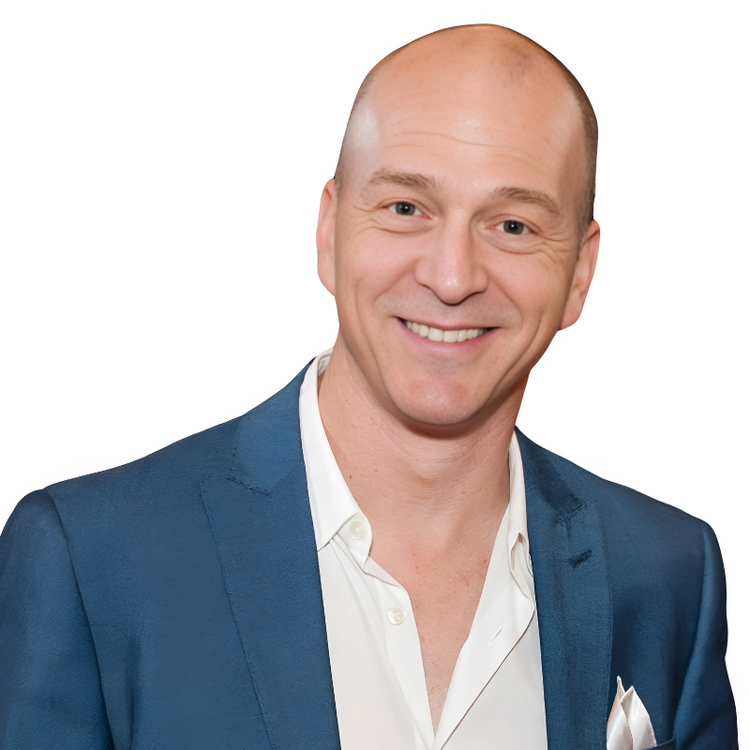 Featured Speaker Scarth Locke, from Rebuilding Together East Bay Network.
Scarth is Director of the Safe at Home Program and the Social Determinants of Health program.
He will share how low-income seniors and disabled homeowners can benefit from city funding to help them make their homes safer and more accessible FOR FREE.
And the latest on the City of Berkleey and Flock cameras.
Other updates on our housing and healthcare coalition Actions.
Plus we had some updates on campaigns and our partners.
1:30 PM
- Greetings: Welcome New Members and other Introductions
- Suggested Meeting Guidelines
BOARD AND MEMBER REPORTS
Co-Convenors Carol Crooks & Betsy Morris
Automated Summary, may contain errors:
East Bay Gray Panthers Meeting
The meeting began with informal conversation about a Governor debate and introductions of new members, including Jackie who was previously a member in Arizona. Betsy Morris, co-convener of East Bay Gray Panthers, started the formal meeting at 1:30, though technical difficulties with video and recording continued throughout the session. The meeting appeared to be in its early stages when the transcript ended, with Betsy preparing to begin the main portion of the meeting.
Affordable Housing and Community Updates
Betsy introduced Scarth Locke from Rebuilding Together as the special guest speaker for the meeting. The agenda included updates on Affordable Housing Month activities, a report on the Tenney Convention and planned die-in for May 21st, and discussions on the billionaire's tax ballot initiative and CARA (California Alliance of Retired Americans). Technical difficulties with audio and video were experienced during the meeting setup, but the main focus was on preparing for Scarth's presentation about Rebuilding Together's Safe at Home program for seniors.
Save at Home Program Introduction
Scarth introduced herself as an occupational therapist who runs the Save at Home program at Rebuilding Together, which provides home accessibility modifications for low-income homeowners in Alameda and Contra Costa counties. She explained that the program addresses common challenges faced by older homeowners, including physical limitations, financial constraints, and concerns about vulnerability when working with new agencies. Scarth presented a slideshow about the program, though some technical difficulties with screen sharing occurred during the presentation. The conversation ended with Betsy being asked to unmute herself, suggesting there may have been additional discussion or questions from participants.
Rebuilding Together Program Overview
Scarth presented on the Rebuilding Together program, explaining that it provides free home modifications and repairs for eligible residents in Contra Costa and Alameda counties. The program serves individuals making 80% or less of the area median income, with limits ranging from $87,000 for single individuals up to $145,000 for households with six people. Scarth detailed various services offered including accessibility modifications, lighting and security upgrades, and minor repairs, emphasizing the program's use of both professional contractors and volunteers to maximize impact within funding constraints.
Service Prioritization and Eligibility Process
Scarth explained their organization's prioritization process, which follows a first-come, first-serve basis with some flexibility for urgent needs and better financial relationships with certain areas. She clarified that they currently do not serve renters, though they are working to expand services through programs like CalAIM and discussions with cities like Hayward. Scarth also addressed a question about serving non-profits as landlords, stating they haven't done this previously but are open to exploring opportunities. The discussion concluded with information about eligibility requirements, focusing on income rather than assets, and contact details for further inquiries.
Home Safety and Emergency Preparedness
Scarth presented a home safety and emergency preparedness checklist, covering topics like emergency phone numbers, tripping hazards, and safety features in bathrooms and kitchens. She clarified that Rebuilding Together currently does not serve renters but operates in Alameda and Contra Costa counties, with some work in Oakland and Berkeley. When asked about helping renters with uninhabitable units, Scarth indicated she would need to research specific resources for renter advocacy groups. The conversation ended with Scarth mentioning that her top priority for improving Rebuilding Together would be hiring more contractors due to high demand for their services.
Flock Safety Surveillance Expansion Concerns
George Lippman presented concerns about Flock Safety, a multi-billion dollar corporation that provides surveillance systems in Berkeley, including 52 automated license plate readers. He explained that Flock plans to expand its surveillance capabilities in 2026 to include video cameras, drones, and integration with residential security cameras through a program called Community Streams. The Berkeley City Council will make a decision on May 7th regarding contracts with Flock, with an even split among council members on whether to proceed. Lippman expressed concerns about data sharing with ICE and the potential for FISA warrants to access the surveillance information, arguing that the city is moving away from community policing toward reliance on technology.
Berkeley Surveillance Technology Contract Discussion
The meeting focused on surveillance technology, particularly regarding Berkeley's Flock contract. George Lippman identified five proponents of surveillance, including Rashi Kisarwani, Shoshana O'Keefe, Mark Humbert, Terry Taplin, and Brent Blackaby. Maria expressed concerns about safety and militarization, while George shared information about a social justice newspaper he co-edits and encouraged attendance at an upcoming meeting on the 7th. The group discussed a recent vote by the Board of Supervisors to extend the Flock contract through June, with plans to issue an RFP afterward, and George noted that Berkeley opposes facial recognition software due to its discriminatory nature.
Flock Surveillance Contract Discussion
The meeting focused on discussing concerns about a potential contract with Flock for surveillance services in Berkeley. George Lippman from Berkeley Speaks explained that while he supports appropriate technology use, including police body cameras, the current Flock proposal should be delayed and reviewed with input from civil liberties activists. The group discussed the potential benefits and concerns of surveillance technology, particularly regarding public safety and civil rights. David moved to make a motion opposing the expansion of Flock's contract for surveillance services, which was seconded by Hali. The conversation ended with plans to have further discussion at the next board meeting and for members to potentially send letters to the City Council opposing the Flock contract.
Community Surveillance Contract Opposition Meeting
The meeting focused on a motion opposing the expansion of a contract for enhanced surveillance and data services, which was approved by the group. The attendees discussed upcoming events, including a tenant convention where community members can vote on candidate endorsements, and a proposed "die-in" event on May 21st to protest Medicaid cuts. The group also addressed Berkeley's elevator ordinance and the need to inform tenants about their rights and available legal assistance when elevators are out of service. Additionally, Hali announced weekly Indivisible Berkeley rallies every Wednesday from 5-6 PM in front of the South Branch Tarea Hall Pittman Library.
WHEN
April 22, 2026 at 1:30pm - 3:30pm
WHERE
CONTACT
Gray Panthers of Berkeley and the East Bay
· (510) 681-2367
25 RSVPS



